
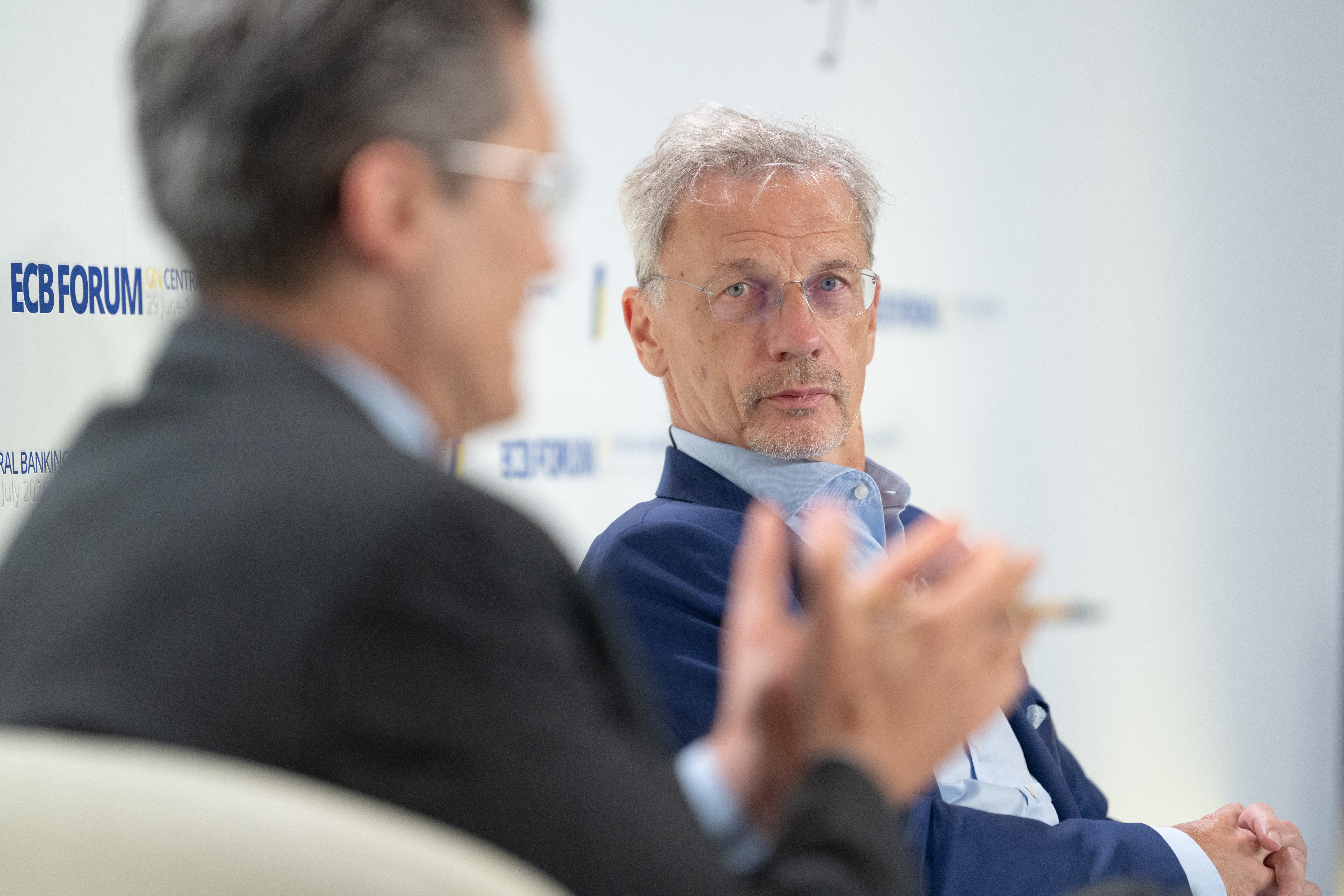
By Marta Vilar – MADRID (Econostream) – European Central Bank Vice President Boris Vujčić said on Friday that regulatory capital requirements were not currently constraining bank lending in the euro area, arguing that subdued credit dynamics instead reflected weak demand, economic uncertainty and broader macroeconomic conditions.
“[A]ggregate capital headroom has continued to increase,” Vujčić said in a speech at the European Systemic Risk Board's annual conference. “This suggests that regulatory capital is not currently a binding constraint on lending.”
Evidence from the ECB's bank lending survey pointed in the same direction, he said, with banks reporting that tighter credit standards in recent years primarily reflected “risk perceptions, risk tolerance and uncertainty about the economic outlook,” rather than their capital positions.
Loan demand had meanwhile remained subdued, he added.
“Taken together, these developments suggest that current lending dynamics are more likely to reflect the demand for credit, elevated uncertainty and broader macroeconomic conditions than a shortage of capital to meet regulatory requirements,” Vujčić said.
On whether reducing capital requirements under current conditions would materially increase lending, Vujčić said: “I would consider this very unlikely.”
He said second-quarter financial reporting showed euro area bank profitability had improved further, with net interest income continuing to rebound and net fees and commissions picking up.
Vujčić cautioned against the argument that reducing capital requirements would make European banks more competitive and boost credit provision, saying the relationship between capital requirements and lending depended heavily on economic and financial conditions.
“The present level of bank capital requirements is not a competitive disadvantage for European banks,” he said.
Instead, Vujčić argued that greater financial integration was the most powerful way to improve the competitiveness of Europe's banking sector, calling for completion of the banking union and further progress towards a genuine capital markets union.
- The author of this story can be contacted at marta.vilar@econostream-media.com